

TMJ Treatment in Grand Rapids, MI
Jaw pain, clicking, headaches, and difficulty chewing can all be signs of a problem with the temporomandibular joint (TMJ). This joint connects your jaw to your skull and plays an important role in everyday movements like speaking and eating. When it is not functioning properly, it can lead to ongoing discomfort and affect your quality of life.
Grand Rapids Family Dentistry provides thorough evaluations and personalized treatment options to help relieve TMJ symptoms and restore comfortable jaw function. Contact us today to learn more and schedule!
Get in Touch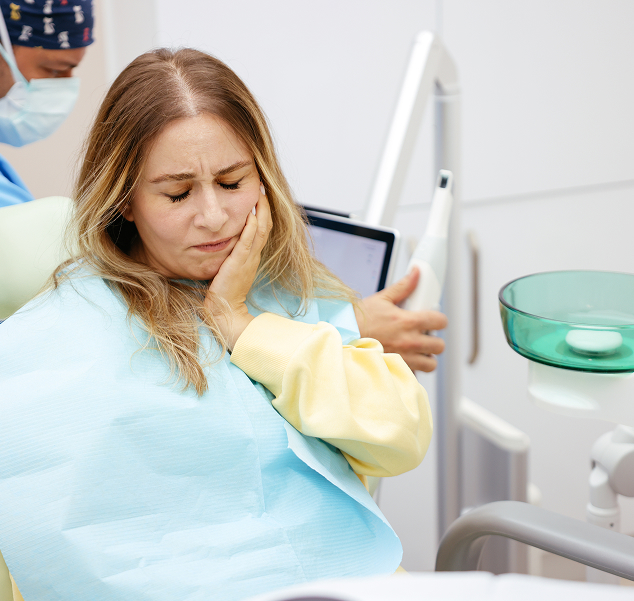
What are the most common TMJ symptoms?
TMJ concerns can affect both the jaw and surrounding muscles. Common symptoms include:
- Jaw pain or soreness
- Clicking, popping, or grinding sounds
- Headaches or facial tension
- Difficulty opening or closing the mouth fully
- Pain when chewing or speaking

What causes TMJ?
TMJ disorders can develop from a variety of factors affecting the jaw joint and surrounding muscles. Common causes include teeth grinding or clenching, bite misalignment, stress-related muscle tension, or injury to the jaw. In some cases, arthritis or wear within the joint may also contribute. Because multiple factors are often involved, a thorough evaluation helps determine the underlying cause and guides the most effective treatment approach.
Does TMJ go away on its own?
Some mild TMJ symptoms may improve without treatment, especially if they are caused by temporary stress or minor muscle strain. However, ongoing discomfort, frequent headaches, or difficulty with jaw movement should be evaluated. Without care, symptoms can persist or worsen over time. Our Grand Rapids dental team can assess your condition and recommend conservative treatments to help relieve discomfort and improve jaw function before more serious issues develop.
How many appointments does it take to get a custom mouth guard made and adjusted?
A custom mouthguard for TMJ is typically completed over two visits. During the first appointment, we evaluate your bite and take detailed impressions. The appliance is then fabricated in a dental lab. At the second visit, we ensure the mouthguard fits properly and make any necessary adjustments. Should you ever have a concern about the fit or effectiveness of your mouthguard, please bring it with you to your next appointment, and we will be happy to take a look at it.
Contact Us