What to Do for Severe Tooth Pain at Night
August 19, 2026 9:00 amSevere tooth pain has terrible timing. A tooth may bother you a little during the afternoon, then start throbbing once you lie down and the house gets quiet. By midnight, it can be hard to think about much else, especially when you are trying to figure out what you can safely do until the dental office opens.
At Grand Rapids Family Dentistry in Grand Rapids, MI, Dr. Kate Palmateer, Dr. Josh Palmateer, and Dr. Abigail Gill see nighttime toothaches caused by deep decay, cracked teeth, infections, inflamed nerves, and other dental problems. While home care will not fix the tooth itself, a few practical steps may help you get through the night with less irritation. Then, once you can be seen, we can check the tooth and treat what is actually causing the pain.
Start by Rinsing and Gently Cleaning Around the Tooth
When a tooth suddenly starts hurting, begin with a gentle rinse using warm water. Sometimes food gets packed between teeth or underneath the gumline, and that pressure can make an already sore area hurt even more. So, rinsing may help clear away debris without putting extra pressure on the tooth.
After that, floss carefully around the painful area if you can do so comfortably. A small piece of food wedged between two teeth can cause surprisingly sharp pressure, especially if the gum is already irritated. However, do not snap the floss down hard or keep digging at the area if it becomes more painful.
Once the area is clean, try to leave it alone for a while. It is very tempting to keep pressing on a sore tooth with your tongue or testing it every few minutes to see whether it still hurts. Unfortunately, repeated poking and biting can keep an irritated tooth stirred up.
Keep Your Head Slightly Elevated
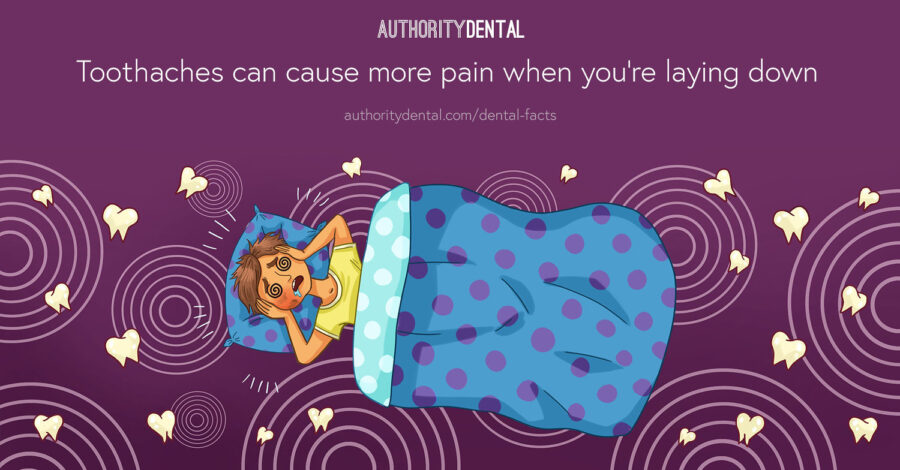
Some toothaches feel stronger after you lie flat. When you are horizontal, changes in blood flow and pressure around an inflamed tooth can make the throbbing more noticeable. So, sleeping with your head slightly elevated may help take the edge off.
Try an extra pillow or a reclined position if that feels more comfortable. You do not need to spend the whole night sitting upright, but a little elevation may make resting easier. If the tooth starts pounding every time you lie down, mention that when you call us.
Finding a comfortable position with a toothache can take some experimenting. One side may put pressure on your cheek, while lying completely flat makes the pulsing stronger. In that situation, a slightly raised position is often worth trying.
Use a Cold Compress for Swelling or Throbbing
If the area feels swollen or throbs, a cold compress on the outside of your cheek may help. Wrap an ice pack or bag of frozen vegetables in a thin towel and hold it against the face for short periods. The cold can temporarily dull discomfort and may help with swelling.
Use the compress for about fifteen to twenty minutes, then give your skin a break. You can repeat this during the evening as needed. However, avoid leaving ice directly against your skin for a long stretch.
Also, keep the cold on the outside of your face rather than putting ice directly against the painful tooth. If the nerve is irritated, extreme cold inside the mouth may send a sharp jolt through the tooth. So, the cheek is usually a better place for the compress.
Over-the-Counter Pain Medication May Help for the Night
Over-the-counter pain relievers can help many people until they can be seen. Ibuprofen can help with both pain and inflammation, while acetaminophen can also reduce discomfort. Current dental pain guidelines favor non-opioid medications such as these for temporary toothache relief when appropriate for the patient.
Always follow the directions on the label and do not take more than recommended. If you have kidney disease, liver disease, stomach ulcers, take blood thinners, are pregnant, have medication allergies, or have another medical condition, check with a pharmacist or medical provider before taking a pain reliever. Also, read the labels on any cold, flu, or combination medicines you already use so you do not accidentally take the same ingredient twice.
Do not place aspirin directly on the tooth or gum. It can irritate the soft tissue without fixing the source of the pain. If you use pain medication, take it only as directed.
What About Toothache Products at the Drugstore?
If you end up in the oral-care aisle after hours, you may see toothache gels containing benzocaine. Benzocaine is a topical numbing medicine, and studies have found that 10% and 20% gels can provide short-term relief from toothache pain. Use these products only according to the label, though, because numbing the area for a while does not treat the crack, decay, or irritated nerve underneath.
You may also see products containing eugenol, the compound commonly associated with clove oil. Eugenol has a long history in dentistry and has shown pain-relieving and local anesthetic effects, although the evidence for ordinary at-home toothache relief is not as direct as it is for benzocaine. If you choose an eugenol product, use one made for oral use and follow the directions rather than applying concentrated essential oil repeatedly to the gums.
Either option is best viewed as a temporary measure. If a product helps you get a little sleep, great, but the tooth still needs to be checked if the pain is severe or keeps returning. The relief may wear off long before the dental problem does.
Keep Food and Drinks on the Mild Side
An irritated tooth can become very sensitive to temperature. Ice water may cause a sharp jolt, while hot coffee or soup may trigger an ache that keeps going after you finish. So, for the rest of the evening, lukewarm or room-temperature foods and drinks may be easier on the tooth.
Sugary foods can also bother a tooth with deep decay or an exposed area. Meanwhile, crunchy or hard foods can put more pressure on a cracked or tender tooth. Soft foods that do not require much chewing are usually the easier choice.
This is probably not the night for popcorn, nuts, or anything that needs a determined bite. Even if the tooth settles down for half an hour, one bite in the wrong place can bring the pain right back. Keeping things simple can spare the tooth some extra irritation.
Try Not to Chew on the Painful Side
If biting makes the tooth hurt, avoid chewing on that side until you can have it checked. A crack, inflammation around the root, a loose restoration, or an infection can all make pressure uncomfortable. Each bite can keep putting force onto the same sore area.
For now, use the opposite side of your mouth and choose softer foods. However, if both sides are painful or opening your mouth is becoming difficult, do not force yourself through a regular meal. Fluids and softer foods may be easier until you can get dental care.
Also, tell us if biting was one of the main triggers. A tooth that hurts mainly with pressure can behave differently from one that throbs constantly. That detail helps us know what to check when you come in.
Why Tooth Pain Can Feel Worse at Night
Part of the reason is simply that nighttime is quieter. During the day, you are working, talking, driving, eating, and paying attention to other things. Then, once you lie down with fewer distractions, every pulse from the tooth becomes much harder to tune out.
Your position can play a part too. Lying flat may make pressure around an inflamed tooth feel more noticeable. So, a tooth that was annoying at dinner can feel considerably stronger once you are trying to fall asleep.
The tooth may not have suddenly become much worse within an hour. Instead, the combination of inflammation, position, and a quiet room can make the pain feel much more intense. That is why nighttime toothaches can be so hard to sleep through.
A Deep Throbbing Ache May Be Coming From the Nerve
Inside every tooth is soft tissue called the pulp, which contains nerves and blood vessels. If deep decay, a crack, or another injury reaches that tissue, the pulp can become badly inflamed or infected. Then, the tooth may begin throbbing or aching even when you are not chewing.
You may also notice that hot or cold temperatures set the tooth off. Sometimes the pain continues long after the drink or food is gone. If the tooth keeps aching for a while after a temperature change, tell Dr. Kate Palmateer, Dr. Josh Palmateer, or Dr. Abigail Gill.
Pain medication may quiet that ache for a few hours, but it cannot remove deep decay or treat an infected nerve. Depending on what we find, the tooth may need a filling, root canal therapy, extraction, or another treatment. The exam helps us determine how far the problem has progressed.
Sharp Pain When You Bite Can Point to a Crack or Another Problem
Not every toothache is a steady throb. Sometimes the tooth feels fairly normal until you bite down, and then one particular bite causes a sharp jolt. That can happen with a cracked tooth, loose filling, inflammation around the root, or another problem that makes pressure painful.
A cracked tooth can also be inconsistent. You may chew several bites without much trouble and then hit the tooth at one angle that makes you stop immediately. A few minutes later, the tooth may calm down again.
Until you can be seen, avoid repeatedly testing the tooth with different foods. We can examine it and may use X-rays, bite tests, or other checks to learn more about what is causing the pain. Meanwhile, keeping chewing pressure off that side can help prevent more irritation.
Swelling Means We Need to Know About It
A toothache with swelling needs quicker attention than mild sensitivity by itself. Swelling around the gum, cheek, or jaw can occur when an infection has moved beyond the inside of the tooth. You may also notice a bad taste, drainage, tenderness, or a small bump on the gum near the painful tooth.
If the swelling is limited and you otherwise feel well, call Grand Rapids Family Dentistry as soon as the office opens. Tell our team that you have swelling when you call. That helps us understand what has been happening and how soon the tooth may need to be seen.
However, rapidly increasing swelling is different. If swelling is spreading into the face or neck, you develop a fever, feel very ill, or you are having more difficulty opening your mouth, seek prompt care. Those symptoms can occur when an infection is spreading beyond the tooth.
Trouble Breathing or Swallowing Is an Emergency
If swelling begins interfering with breathing or swallowing, do not wait for the dental office to open. Go to an emergency department or call emergency services. An infection that begins around a tooth can become dangerous if it starts affecting the airway.
Swelling beneath the jaw, under the tongue, or into the neck can be particularly concerning if it is getting worse. You may also have trouble swallowing saliva or notice that your voice sounds different. Those symptoms need medical attention right away.
After the immediate emergency is addressed, the tooth that caused the infection will still need dental treatment. However, breathing and swallowing come first. In that situation, emergency medical care is the right place to begin.
A Broken Tooth Can Become Painful Quickly
If part of a tooth breaks at night, the pain may start right away. A small enamel chip might barely bother you, while a deeper fracture can expose sensitive dentin or reach close to the nerve. Then, air, drinks, or even your tongue touching the area can make the tooth hurt.
Rinse gently with warm water and avoid chewing on that side. If your cheek is swollen, you can use a cold compress on the outside of the face. Also, if you easily find a larger broken piece, save it and bring it with you to the appointment.
Try not to pick at the broken edge, and do not use household glue on the tooth. We need to see how much tooth structure remains and whether the nerve has been affected. Depending on the fracture, treatment may involve a filling, crown, root canal, extraction, or another approach.
Antibiotics Do Not Fix Every Toothache
Antibiotics are sometimes needed when a dental infection is spreading, but they do not repair the tooth itself. If deep decay has reached the nerve or an abscess has formed around the root, the source still has to be treated. Otherwise, the infection or pain may return.
Also, severe tooth pain does not always mean antibiotics are appropriate. A badly inflamed nerve or cracked tooth can hurt intensely without an infection that antibiotics can treat. So, leftover antibiotics from another illness are not a substitute for a dental exam.
If Dr. Kate Palmateer, Dr. Josh Palmateer, or Dr. Abigail Gill determines that antibiotics are needed, they are usually only one part of the plan. The tooth may still need root canal therapy, extraction, drainage, or another procedure. Treating the tooth itself addresses where the problem started.
If the Pain Suddenly Stops, the Tooth May Still Need Care
Sometimes a tooth that kept you awake all night becomes much quieter the next day. That may feel like the problem has finally settled down. However, a sudden drop in pain does not always mean the tooth has healed.
If the nerve inside the tooth becomes severely damaged or dies, intense nerve pain can decrease even while an infection remains near the root. After that, you may notice soreness when biting, swelling, or a bump on the gum. So, a tooth that caused severe pain overnight should still be checked even if it feels better by morning.
When you come in, tell us how the tooth felt at its worst. Dental pain can change considerably from one hour to the next. What happened overnight may give us information that is not obvious when you are sitting in the chair later.
What to Tell Us When You Call
When you call Grand Rapids Family Dentistry, tell us where the pain seems to be if you can tell. Also, describe whether it throbs, comes and goes, hurts when you bite, or reacts to hot and cold. You do not have to be certain which exact tooth is responsible.
Let us know about swelling, fever, drainage, a bad taste, or a broken tooth too. If the pain kept waking you up or prevented you from sleeping, tell us that as well. Those details help us understand what you have been dealing with before you arrive.
What Happens During an Urgent Toothache Visit
During an urgent visit, Dr. Kate Palmateer, Dr. Josh Palmateer, or Dr. Abigail Gill will first ask what the tooth has been doing and when the pain began. Then, they will examine the area and may take an X-ray to look for decay, infection, bone changes, or another problem that cannot be seen from the surface. Depending on your symptoms, they may also check how the tooth responds to biting, pressure, or temperature.
Once we have a clearer picture, your dentist can explain what treatment the tooth needs. Sometimes treatment can begin during that same visit. Other times, another appointment may be needed depending on the procedure and how much treatment is involved.
If the tooth cannot be fully treated that day, we will talk with you about what comes next. The cold compress, soft foods, pain medication, or numbing gel may help you through a rough night, but they are temporary steps. Once we know whether the problem is a crack, deep decay, infection, or something else, we can treat the source instead of asking you to keep working around the pain.
Severe Tooth Pain Care at Grand Rapids Family Dentistry in Grand Rapids, MI
If severe tooth pain wakes you up at night, gently clean the area, avoid chewing on that side, keep your head somewhat elevated, and use over-the-counter products only if they are safe for you and used as directed. Then, call Grand Rapids Family Dentistry when the office opens and tell us what happened overnight, especially if you have swelling or pain with biting. Dr. Kate Palmateer, Dr. Josh Palmateer, or Dr. Abigail Gill can examine the tooth and find out what is causing the pain.
If swelling is spreading quickly or you have trouble breathing or swallowing, seek emergency medical care instead of waiting for the dental office to open. Otherwise, give us a call rather than trying to get through another night with the same tooth. Contact Grand Rapids Family Dentistry in Grand Rapids, MI, to schedule an urgent dental visit with Dr. Kate Palmateer, Dr. Josh Palmateer, or Dr. Abigail Gill!
Image from Authority Dental under CC 2.0
Categorised in: Dental Emergencies, Toothaches