

Dental Bonding in Grand Rapids, MI
Dental bonding repairs chipped, cracked, or gapped teeth in a single visit, usually without removing healthy enamel. At Grand Rapids Family Dentistry, we use tooth-colored composite resin to fix minor imperfections and cosmetic concerns both quickly and affordably.
Interested in learning more about dental bonding or our other restorative services? Get in touch with our friendly front office team today!
Contact Us
A Natural-Looking Repair
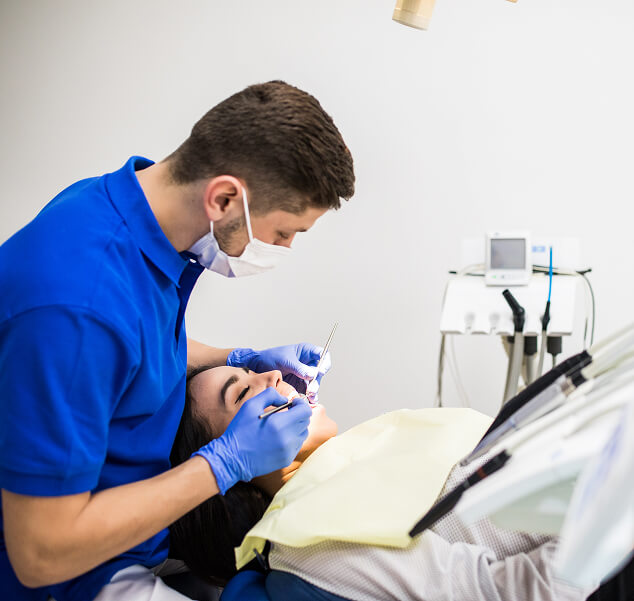
The dental bonding process involves matching composite resin to the exact shade of your surrounding teeth, so your repair blends right in. Your dentist then shapes the resin to follow the tooth’s natural contours and polishes it to mimic the sheen of real enamel. Most teeth take 30 to 60 minutes. The result looks like your own tooth, not a patch. Because bonding preserves most of your natural tooth structure, it’s a conservative alternative to veneers or crowns for minor cosmetic concerns.
When is dental bonding used?
Dental bonding can be used to correct:
- Chipped or cracked teeth
- Small gaps between teeth
- Stains or discolored spots that whitening can’t remove
- Teeth that are slightly short, uneven, or misshapen
- Root surfaces exposed by gum recession

Is Dental Bonding Right for You?
Schedule a dental exam to find out! Bonding often works best for small repairs; larger damage may call for a crown or veneer instead. During your visit, we’ll examine your teeth and gums, talk through your goals, and design a treatment plan that fits your smile. Call Grand Rapids Family Dentistry or request an appointment online today.
Frequently Asked Questions
How long does dental bonding last?
With good care, bonding typically lasts 5 to 10 years before it needs a touch-up or replacement. To protect it, avoid biting your nails, chewing ice, or using your teeth to open packages.
Does tooth bonding stain over time?
Composite resin can absorb stains from coffee, tea, red wine, and tobacco more easily than natural enamel. Daily brushing and regular cleanings keep it bright. Whitening won’t change the color of bonding, so if you plan to whiten, do it before your bonding appointment.
Will dental insurance cover my bonding treatment?
It depends on your plan and the reason for treatment. Bonding that repairs a chip, crack, or decay is often partly covered, while purely cosmetic bonding usually isn’t. We’ll check your benefits before your treatment.
What if I don’t have dental insurance?
You still have options. Our membership plan offers savings on bonding and preventive care, and our additional payment options can help make treatment fit your budget.
Does dental bonding require anesthesia?
Usually not. Bonding is applied to the outer surface of the tooth, so most patients don’t need numbing. If we’re repairing decay or working near a sensitive area, we may use a local anesthetic to keep you comfortable.
Contact Us