
What to Do if a Dental Implant Falls Out
September 18, 2026 9:00 amIf something from your dental implant suddenly comes loose or falls out, the first thing to figure out is what actually came out. Sometimes it is the crown you can see above the gumline, while other times an abutment or screw has loosened. In less common situations, the implant itself may have lost its connection with the jawbone.
At Grand Rapids Family Dentistry in Grand Rapids, Dr. Kate Palmateer, Dr. Josh Palmateer, and Dr. Abigail Gill can take a look and determine which part has failed. Until you can be seen, save anything that came out, avoid chewing on that side, and keep the area gently clean. Also, do not try to glue the piece back into place yourself.
From there, the next step depends on which part moved and what the tissue around the implant looks like. A loose crown may be fairly simple to repair or reattach, while movement of the implant fixture itself needs a closer look at the bone and gum around it. Pain, swelling, drainage, or bleeding can also tell us that the area needs attention sooner.
First, Figure Out What Came Out
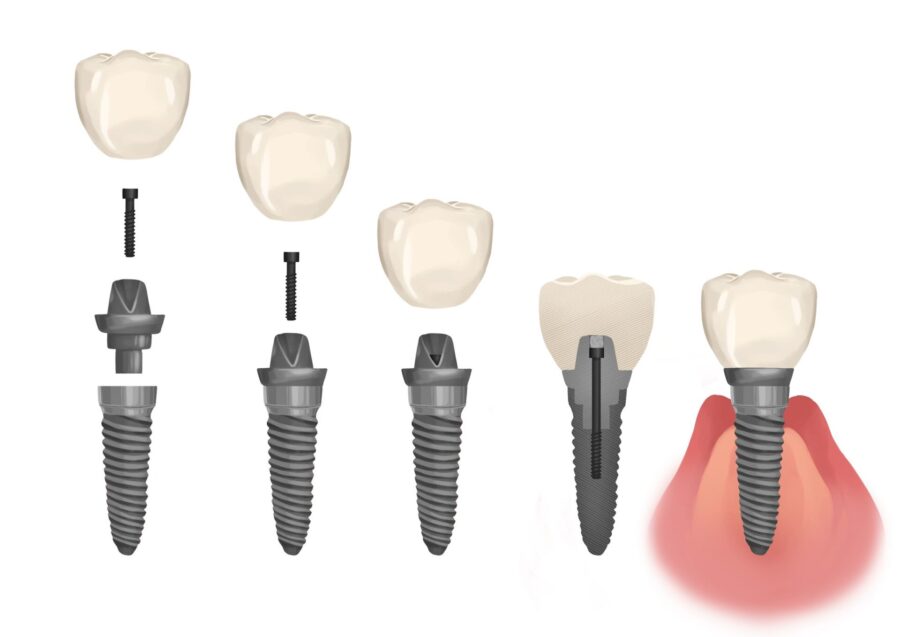
A dental implant restoration has several parts, which is why “my implant fell out” can mean a few different things. The implant fixture sits in the jawbone, an abutment connects to it, and the crown is the tooth-shaped part you see above the gums. Depending on the restoration, there may also be a small screw holding those pieces together.
If the piece in your hand looks like a tooth, there is a good chance the crown or crown-and-abutment assembly came loose. You may notice a small metal part still in the gum, or the area may look like an opening where the restoration used to sit. Either way, save the piece and bring it with you rather than trying to put it back yourself.
If a metal post appears to have come out from beneath the gumline, mention that when you call. Movement of the actual implant fixture is different from a loose crown and may mean the implant has lost some of its support in the bone. Because of that, we may need an exam and X-ray to see what happened underneath.
What to Do Right Away
Start by placing the loose crown, screw, or other piece in a clean container so it does not get lost. If there is food or debris on it, you can gently rinse it with water, but avoid scrubbing or trying to alter the piece. Bring it with you to the appointment because it may help us see exactly what came loose.
Meanwhile, keep the area clean with gentle brushing around it, and rinse with warm water if needed. Try to chew on the other side until the implant has been examined, since biting on a loose component can damage the restoration or irritate the tissue around it. Softer foods may also feel better for the time being.
If the area feels tender or swollen, a cold compress on the outside of the face may help with discomfort. Over-the-counter pain medication may also be an option if you normally take it safely and follow the label directions. Most importantly, call the office rather than waiting several days to see whether the problem settles down on its own.
Do Not Use Household Glue
A crown that has fallen out can look like something you should be able to stick back into place. However, household glue, super glue, craft adhesive, and similar products should stay out of the mouth.
For one thing, glue can make the crown harder to clean and may interfere with the way it fits when we try to repair or reattach it. It can also expose the gum and surrounding tissue to materials that were never meant to be used inside the mouth. Even if the crown seems to slide back into place, we still need to know why it loosened.
A loose implant crown can happen because the cement failed, a screw loosened, the crown fractured, or another part underneath changed. So, putting it back without checking the fit may leave the real problem untouched. Bring the restoration with you and let us see what is going on first.
If the Implant Crown Fell Out
The crown is the visible part of the dental implant, so this is often what patients mean when they say the implant fell out. If the crown comes off but the implant underneath is stable, the repair may be much less involved than replacing the entire implant.
We will look at the crown and the connection underneath it. Sometimes the crown can be cleaned and reattached, while a damaged crown, worn connection, or fractured component may need to be replaced. We also check the bite because repeated heavy pressure can contribute to loosening over time.
Until the area is repaired, avoid chewing directly on the exposed implant. Even if it does not hurt, the remaining components can be damaged if they are taking forces they were not designed to handle without the crown in place. Bringing the piece with you also gives us a better look at what failed.
If the Abutment or Screw Is Loose
The abutment connects the implant in the bone to the crown above it. Depending on how the restoration is designed, a screw may hold those components together, and that screw can occasionally loosen.
You may notice that the tooth feels wobbly, clicks when you bite, or seems to move slightly when you touch it with your tongue. Sometimes the crown and abutment move together, which can make it feel like the whole implant is loose. That can be hard to sort out at home, so an exam is the best way to tell what is actually moving.
If the implant fixture in the bone is still stable, the loose component may be tightened or replaced after we check it for damage. We will also look at the way the teeth meet, since repeated bite pressure or grinding can contribute to screw loosening. In some cases, the crown may need to come off so we can inspect the connection underneath.
If the Actual Implant Fixture Came Out
The implant fixture is the part that is placed into the jawbone, so movement there is more concerning than a loose crown. Once an implant has integrated with the bone, it should feel fixed in place.
An implant can lose stability for several reasons, including problems with healing, infection around the implant, loss of supporting bone, excessive force, or failure of the implant to integrate properly. If the fixture itself has come out, we need to see how much bone remains and what condition the surrounding tissue is in.
From there, the next step depends on what we find. The site may need time to heal, infection may need to be treated, or bone grafting may be considered before another implant is planned. In some cases, another implant can still be placed later once the area is healthy enough.
Pain, Swelling, or Drainage Deserve Prompt Attention
A loose implant component may cause very little discomfort, particularly if the crown or screw is the only part affected. However, pain, swelling, bleeding, drainage, or a bad taste around the implant suggest that the surrounding tissue needs a closer look.
Those symptoms can happen with inflammation or infection around an implant. We may check the gum tissue, measure around the implant, take an X-ray, and look for changes in the surrounding bone. That gives us a better idea of what is causing the problem and what the area needs.
Rapidly increasing facial swelling, fever, or feeling very ill should be treated more urgently. If swelling starts to interfere with breathing or swallowing, seek emergency medical care instead of waiting for a dental appointment. After the immediate medical issue is addressed, the implant area will still need dental follow-up.
Why Dental Implant Crowns Can Become Loose
Chewing puts repeated force on an implant restoration every day. Over time, a screw can loosen, cement can fail, or a crown can wear in a way that changes how pressure lands on the implant.
Grinding and clenching can add even more force. If you wake with sore jaw muscles, notice wear on other teeth, or already know that you grind at night, we may take that into account when repairing the implant. In some cases, a nightguard may be recommended to reduce stress on the implant and other teeth.
The bite can change over time as well. Natural teeth can shift or wear, while an implant stays in a fixed position in the bone. Because of that, we check how the implant crown contacts the opposing teeth during the repair so the area is not taking more pressure than it should.
What Can Cause an Implant to Lose Bone Support?
Healthy bone around the implant is important for long-term stability. Inflammation around the implant can damage the gum and bone if it progresses, which is one reason bleeding or tenderness around an implant should be checked.
Plaque buildup around an implant can contribute to inflammation, just as it can around natural teeth. Smoking, certain health conditions, a history of gum disease, and difficulty keeping the area clean may also affect implant health. During regular dental visits, we monitor the gum tissue and look for changes around implant restorations.
Bone can also be affected by excessive forces on the implant or problems that developed during healing. An X-ray helps us see whether the bone level around the implant has changed. Once we know what the support looks like, we can decide what treatment makes sense from there.
Can the Same Implant Crown Be Put Back On?
Sometimes, yes. If the crown is intact and the implant underneath is healthy, it may be possible to clean the restoration and reconnect it.
Before doing that, though, we still need to know why it came loose. A damaged screw, worn connection, fracture, cement failure, or heavy bite pressure may need to be addressed before the crown goes back into place. Otherwise, the same problem may happen again.
If the crown is cracked or the connection has been damaged, a new restoration may be needed. We will compare the condition of the crown with the implant and abutment underneath before deciding whether reuse makes sense.
Can a Failed Implant Be Replaced?
In some cases, an implant that has failed can be replaced after the area has healed. The timing depends on why the implant failed, how much healthy bone remains, and whether there is infection or inflammation that needs treatment first.
If significant bone has been lost, bone grafting may be recommended to rebuild the site before another implant is placed. That adds healing time, but it can create a stronger foundation for future implant treatment. Other tooth-replacement options may also be discussed if another implant is not the best fit for the area.
The condition of the neighboring teeth and your overall bite may influence that decision too. So, rather than looking only at the empty space, we look at the surrounding teeth, bone, and how the area functions when you chew.
What Happens at the Dental Visit?
We will ask what you noticed, when the movement started, and whether you have had pain, swelling, bleeding, or changes in your bite. Bring any loose pieces with you, even if you are not sure which part they came from.
Dr. Kate Palmateer, Dr. Josh Palmateer, or Dr. Abigail Gill will examine the implant and the surrounding gum tissue. An X-ray may be taken to check the implant position and the bone around it, and we may also test whether the fixture itself is stable.
From there, treatment depends on what moved. A crown may be reattached or replaced, a loose screw may need attention, or an unstable implant may require a different approach. We will go over what we find and what the repair would involve.
How to Lower the Chance of Another Problem
Once the implant is repaired, keeping the area clean is important. Brush around the implant every day and clean between the implant and neighboring teeth with the method your dental team recommends.
Regular dental visits also give us a chance to check the crown, the gum tissue, and the way the implant fits into your bite. That can help us catch a loose component, inflammation, or bite change before the implant starts feeling noticeably unstable.
If you grind or clench, protecting the restoration may become part of the long-term approach. The same goes for an implant that sits in an area with heavier chewing pressure. In those situations, reducing unnecessary force can help protect both the crown and the connection underneath it.
Dental Implant Repair at Grand Rapids Family Dentistry in Grand Rapids, MI
If part of your dental implant has fallen out, save the piece, avoid chewing on that side, and call Grand Rapids Family Dentistry. Dr. Kate Palmateer, Dr. Josh Palmateer, or Dr. Abigail Gill can determine whether the problem involves the crown, abutment, screw, or the implant itself and explain what needs to happen next.
A loose crown may need a fairly small repair, while movement of the implant in the bone deserves a closer look at the surrounding tissue and bone support. If you notice pain, swelling, drainage, or increasing movement, mention that when you call so we know what has been happening. Schedule a visit with Grand Rapids Family Dentistry in Grand Rapids, MI, and let us take a look before you keep chewing on the area.
Image from Authority Dental under CC 2.0
Categorised in: Dental Implants, Dental Tips